
When Siblings Clash: Using Conflict to Build a Gospel-Centered Home
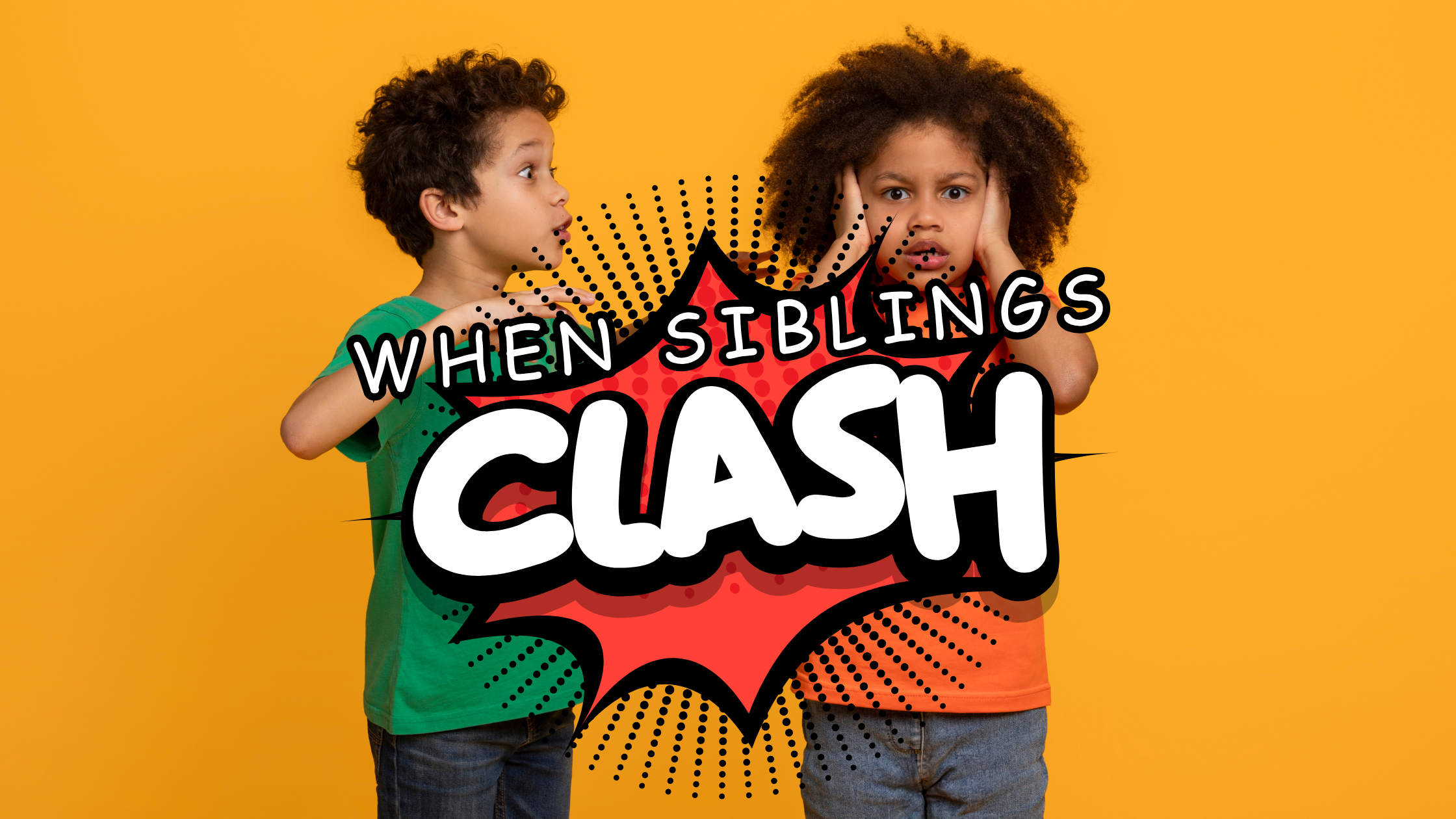
Conflict is inevitable in any family—especially among siblings. Whether it’s a fight over toys, harsh words, or just an everyday squabble, these moments often feel like interruptions to peace. But what if we could see them instead as God-given opportunities to disciple our kids in grace, forgiveness, and the gospel itself?
Conflict isn’t just something to avoid or survive. It’s fertile ground where your children can learn how God calls us to love, repent, and forgive—just like He has forgiven us.
1. Seeing Conflict as an Opportunity, Not a Threat
The first step in redeeming conflict is to change your perspective. Instead of thinking, “Why can’t they just get along?”, ask yourself, “How can I help them see Jesus in this?”
Conflict reveals what’s in our hearts. James 4:1-2 reminds us that fights often come from selfish desires warring within us. If we rush past those heart issues to simply end the noise, we miss a chance to disciple our kids.
2. Modeling Repentance and Grace
Kids learn more from what you do than what you say. When you sin—raising your voice, reacting in anger, or being impatient—own it. Let them hear you say:
"I was wrong to speak that way. Will you forgive me?"
This models humility and shows them what true repentance looks like. Matthew 18:21–35 teaches us that forgiven people forgive. When your kids see you practice this, they learn that grace isn’t just an idea—it’s a way of life.
3. Helping Kids Name Their Heart Motives
It’s easy to ask, “Who started it?” But the better question is, “What was going on in your heart when you did that?”
Teaching children to identify motives helps them see the deeper problem beneath behavior. Was it jealousy? Pride? Selfishness?
Colossians 3:12–14 calls us to put on compassion, kindness, humility, gentleness, and patience. When you help your children name what they need to put off and what to put on, you guide them toward heart change.
4. Resolving Conflict God’s Way
Matthew 18 is a clear roadmap for resolving conflict:
Go directly to the person. Teach your kids to talk to each other instead of tattling or gossiping.
Speak the truth in love. (Ephesians 4:15)
Be ready to forgive—every time.
Many children (and adults) struggle with false ideas about forgiveness. Clarify these truths:
Forgiveness is not:
Waiting until you feel like forgiving.
Forgetting what happened.
Excusing sin.
Demanding guarantees it won’t happen again.
Forgiveness is:
A promise to let go of bitterness.
A decision to love the other person because God has forgiven you.
God’s example of forgiveness shows us how:
He forgives completely.
He forgives immediately.
He forgives without demanding guarantees.
The Four Promises of Forgiveness (from The Young Peacemaker):
I promise to think good thoughts about you and do good for you. (Philippians 4:8)
I promise I will not bring up this situation to use against you. (1 Corinthians 13:5)
I promise I will not talk to others about what you did. (Proverbs 26:20)
I promise I will be friends with you again. (Colossians 3:12-14)
5. Reinforcing Peace: Celebrating Reconciliation
Don’t stop at resolution—celebrate it!
When your children make peace, recognize it:
“I’m proud of how you forgave each other.”
“You showed Jesus’ love when you asked for forgiveness.”
“This is exactly what God calls us to do in Matthew 18.”
Celebrating reconciliation makes peacemaking a normal, joyful part of family life.
Forgiveness Reflection and Homework
Help your children reflect on these questions (and consider them yourself):
Who do you struggle to forgive?
Why don’t you want to forgive them?
What do you feel you gain by holding onto anger?
What does God want you to do?
Read Ephesians 4 and Colossians 3 together, and talk about what attitudes and actions need to be replaced by kindness and forgiveness.
Final Thoughts
When siblings clash, it’s tempting to see it as an obstacle to peace. But in God’s plan, these moments can build a gospel-centered home. By modeling repentance, teaching heart awareness, walking through forgiveness, and celebrating peace, you can help your kids experience God’s grace—and extend it to each other.









Equip your children to build Christ-centered friendships that strengthen their faith. Learn practical steps to help them find and nurture godly relationships.